Science Bulletins: Neanderthal DNA Persists in Humans
When modern humans migrated out of Africa between 100000 and 60000 years ago, they encountered and bred with Neanderthals, our close relatives living in ...
American Museum of Natural History
Science Bulletins: Monitoring Mount Etna—Magma on the Move
Scientists in Sicily are collecting an enormous amount of data to monitor moving magma inside Mt. Etna, one of the most active volcanoes in the world. Nearly a ...
American Museum of Natural History
Science Bulletins: Jellies Down Deep
This Bio Bulletin, which features spectacular underwater footage, follows scientists at the Monterey Bay Aquarium Research Institute as they retrieve jellies from ...
American Museum of Natural History
Science Bulletins: Evolution in Action—Isolation and Speciation in the Lower Congo Region
Central Africa's roiling, rapid Lower Congo River is home to an extraordinary assortment of fish—many truly bizarre. This new video by Science Bulletins, the ...
American Museum of Natural History
Science Bulletins: The Oil Spill's Other Victims
http://amnh.org/rc10 Beyond oil-coated pelicans, the Gulf spill imperils many lesser-known species such as marsh grasses, seaweed, and deep-sea ...
American Museum of Natural History
The Attenborough - Fortey talk What's in a name? | Natural History Museum
Join Sir David Attenborough and Richard Fortey.
Natural History Museum
Science Bulletins: Early Migration for Modern Humans
When did modern humans make their first appearance in Europe? A jawbone excavated in England and two molars found in southern Italy suggest that modern ...
American Museum of Natural History
Science Bulletins: In Search of Wild Variety
To help build the catalog of life, biologists at AMNH search the globe for species that have never been scientifically described. Discover seven of these new ...
American Museum of Natural History
Science Bulletins: Autistic Brains Show Visual Dominance
After examining brain-mapping studies of hundreds of autistic people, scientists from the University of Montreal in Canada and Massachusetts General Hospital ...
American Museum of Natural History
Meteorites | Live Talk with NHM Scientist
Could the water on Earth possibly have an extra-terrestrial source? NASA and JAXA have both undertaken ambitious missions to asteroids across the solar ...
Natural History Museum
Science Bulletins: Deadly Larvae Lure Predators
Amphibians that try to feed on the larvae of the Epomis beetle will find that they've bitten off more than they can chew. Rather than avoiding its predators, the ...
American Museum of Natural History
Science Bulletins: Language in the Brain
Why is it that humans can speak but chimpanzees, our closest living relatives, cannot? The human brain is uniquely wired to produce language. Untangling this ...
American Museum of Natural History
Science Bulletins: Zircons—Time Capsules from the Early Earth
Zircons are tiny crystals with a big story to tell. Some of these minerals are the oldest Earth materials ever discovered, and therefore yield clues about what the ...
American Museum of Natural History
Science Bulletins: Little Brain Gland Has Big-Time Effect
The function of the brain's pineal gland has long been a puzzle to scientists. Recently, researchers at the National Institute of Health's National Institute of Child ...
American Museum of Natural History
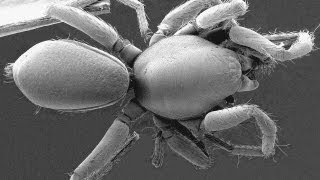
Science Bulletins: Seeking Spiders—Biodiversity on a Different Scale
Recognizing the tiny species of any ecosystem is hugely important for defining its overall diversity. But miniscule forms of life are often invisible to conservation ...
American Museum of Natural History
Science Bulletins: Making Medicine from Nature
Three cutting-edge medical technologies inspired by biodiversity. This Bio Bulletin snapshot is third in a series to celebrate the 2010 International Year of ...
American Museum of Natural History
Science Bulletins: Thinking in Symbols
Modern human culture underwent a "creative explosion" in Ice Age Europe 40000 to 10000 years ago. The evidence, which ranges from fantastic cave paintings ...
American Museum of Natural History
National Museum for Natural History officially opens today
The National Museum for Natural History officially opens today to the public! Here's a sneak peek.
Manila Bulletin Online
Science Bulletins: Hubble Spots Star Factories
A survey of the oldest objects in the Universe has revealed a multitude of dwarf galaxies that are producing stars at a dizzying pace. Using the infrared vision of ...
American Museum of Natural History
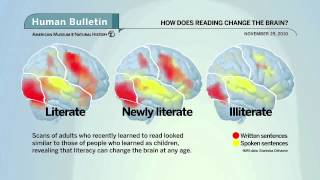
Science Bulletins: How Does Reading Change the Brain?
A recent study led by neuroscientists at France's National Institute of Health and Medical Research has found that learning to read—no matter at what ...
American Museum of Natural History
Science Bulletins: Curiosity Rover Heads for Mars
The biggest and most technically advanced rover to date is on its way to Mars. In the latest Astro Bulletin from the Museum's Science Bulletins program, follow ...
American Museum of Natural History
Science Bulletins: Deep-Sea Cephalopods Hide Using Light
Many kinds of octopus, cuttlefish, and squid are masters of disguise. They conceal themselves using chromatophores—specialized skin cells that hold pigment ...
American Museum of Natural History
Science Bulletins: Bee Deaths Linked to Common Pesticides
Several recent studies have questioned whether exposure to common pesticides might be impairing bee performance and contributing to the observed ...
American Museum of Natural History
Science Bulletins: Field Notes from Madagascar
Scientists at the American Museum of Natural History conduct studies all over the world during their annual field seasons. In this episode of "Field Notes," we trek ...
American Museum of Natural History
Science Bulletins: Earth's Green Carbon Machine
The seasonal growth of plants—both on land and in the ocean—is one of the most striking patterns visible on Earth from space. This green "pulse" of life is ...
American Museum of Natural History
Science Bulletins: Tracing the First Americans
When and where did humans first enter the Americas—and what routes did they travel to colonize the continents? These are big questions for scientists studying ...
American Museum of Natural History
Science Bulletins: New Digs Expose Early Americans
Most archaeological evidence of early human occupation of the Americas is found in the interior of the continent. However, in recent years archaeologists have ...
American Museum of Natural History
Science Bulletins: Stomach Bacteria Show Early Human Travels
Evolutionary scientists are increasingly turning to an unusual tool to explore ancient human history: bacteria. Some microorganisms, like Helicobacter pylori, ...
American Museum of Natural History
Science Bulletins: Cancer's Evoluntionary Tree
Geneticists can reconstruct the evolutionary history of an organism by analyzing changes in its genetic code that have accumulated over time. Now a team of ...
American Museum of Natural History
Science Bulletins: New Fossils Recast Tyrannosaur Evolution
Fossils of two never-before-seen species of tyrannosaur are overturning long-held ideas about the diversity and evolution of this family of dinosaurs. One is an ...
American Museum of Natural History
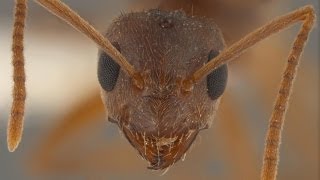
Science Bulletins: Chemical Defense Aids "Crazy Ant" Invasion
Invasive fire ants are firmly established in the southeastern United States, defending their territory with venomous stings. But a new invasive species, the tawny ...
American Museum of Natural History
Science Bulletins: Shrinking Glaciers—A Chronology of Climate Change
Analysis of Earth's geologic record can reveal how the climate has changed over time. Scientists in New Zealand are examining samples from the rocky ...
American Museum of Natural History
Science Bulletins: Fire Ants Raise Brazilian Butterflies
When researchers in Brazil studied the early larval stages of the butterfly Aricoris propitia, they discovered that the larvae had solicitous caretakers—fire ants.
American Museum of Natural History
Science Bulletins: Skull fills Gap in Fossil Record
Some periods of human prehistory lack a substantial fossil record in key geographic locations, making it difficult to confirm genetic evidence of modern human ...
American Museum of Natural History
Science Bulletins: Skull X-Rays Reconstruct Extinct Carnivores’ Bite
Some carnivores eat only meat, while others are more omnivorous. To understand how and when these differences in carnivore feeding may have evolved, ...
American Museum of Natural History
Science Bulletins: Survivors of 1918 Flu Still Thwart Virus
The 1918 influenza pandemic was the deadliest ever recorded. At least 50 million people died before the strain mutated and vanished in 1919. Some of the ...
American Museum of Natural History
Science Bulletins: Gamma-Ray Bursts—Flashes in the Sky
Gamma-ray bursts—flashes of intense radiation in space that are often just seconds long—were accidentally discovered in the 1960's by satellites built to ...
American Museum of Natural History
Science Bulletins: Ancient Humans Get a Genetic 'Census'
A new analysis of the DNA of modern humans has revealed the population size of our ancestors living 1.2 million years ago: just 18500 adults. Despite the odds ...
American Museum of Natural History
Kinsey's Wasps - Shelf Life #9
Sexologist Alfred Kinsey's first love was the tiny gall wasp. His incredible collection—7.5 million wasps and the plant galls from which they hatch—is now housed ...
American Museum of Natural History
Science Bulletins: Underwater Microscope Zooms in on Tiny Marine Life
Most plankton are too small to be seen with the naked eye. But despite their size, they are vital in marine and freshwater ecosystems, serving as food for larger ...
American Museum of Natural History
Science Bulletins: WISE Focus on Infinity
On September 30, 2010, a NASA space telescope called the Wide-field Infrared Survey Explorer, or WISE, completed its sweeping goal: to record observations ...
American Museum of Natural History
Science Bulletins: Scarlet Macaws Soar in Guatemalan Skies
Fledgling scarlet macaws took to the skies over Guatemala in record numbers this year, thanks to the efforts of researchers and conservationists. During ...
American Museum of Natural History